
Wonim Red? The Tramadol Misuse Menace in Ghana
A public health look at tramadol misuse, youth vulnerability, and the prevention and treatment responses Ghana needs.
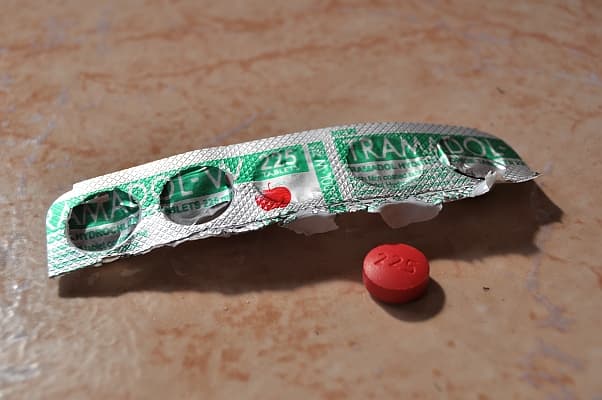
The red epidemic among Ghanaian youth
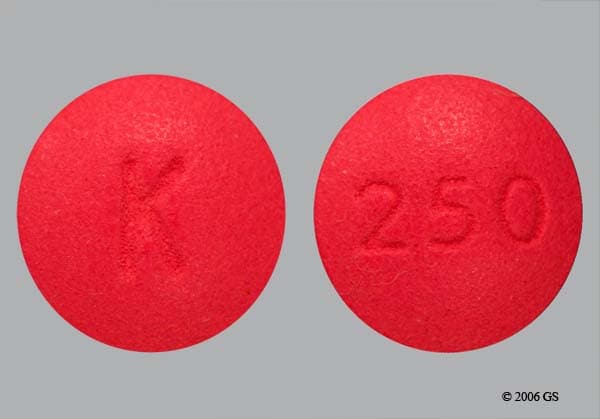
"Wonim Red?" has been resonating across Ghanaian streets from Tamale to Accra. The phrase points to the growing misuse of tramadol, often referred to as "red" because of the colour of the pill, and the serious effects it can have on young people and communities.
Popular culture has also shaped the language around the issue. The phrase "wo nim red", meaning "do you know red", reflects how some young people describe using tramadol to cope with stress, hardship, and life pressures.
Tramadol misuse is often linked to social marginalisation, poor economic conditions, and difficult transitions into adulthood. In Ghana and parts of West Africa, the use of cheap and accessible opioids by young people remains a growing public health concern.
A brief overview of opioids
Tramadol is a synthetic opioid used to treat moderate to severe pain that does not respond to non-opioid pain relievers. Opioids can produce euphoria after ingestion, which is one reason they may be used for nonmedical purposes.
The World Health Organization defines opioids as substances derived from the poppy plant, as well as synthetic or semisynthetic substances with similar effects on the brain's opioid receptors.
How the menace developed in Ghana
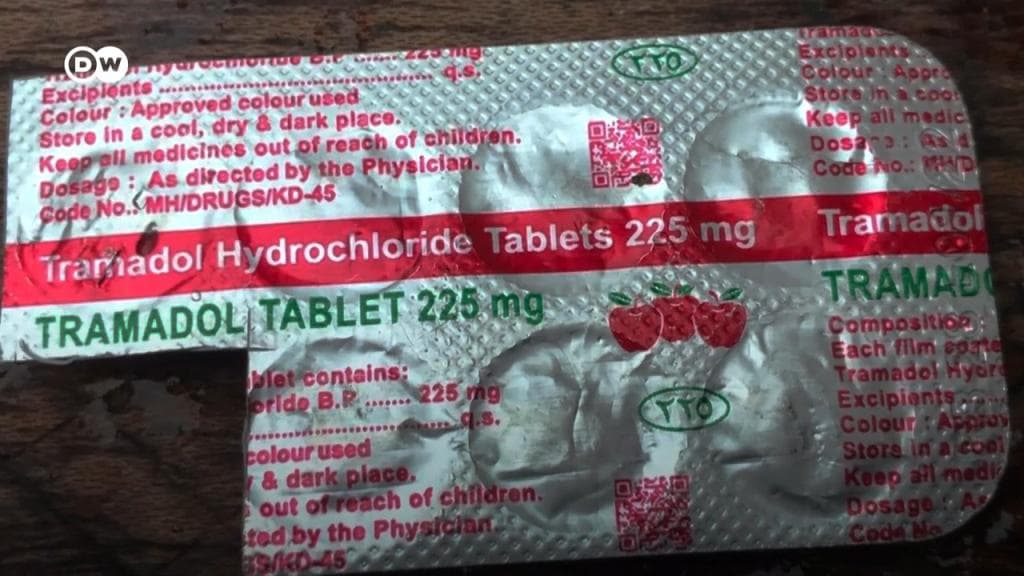
Tramadol was first produced by the German pharmaceutical company Grunenthal and released under the brand name Tramal in 1977. After the original patent expired, generic manufacturers began producing versions for wider markets, including parts of Africa.
Although tramadol is a legally prescribed medicine, unlicensed distribution, higher-dose products, and weak regulatory oversight have contributed to misuse. Some people only realise they are dependent when they experience withdrawal symptoms after trying to stop.
Side effects and community impact
Individual health
Common side effects of tramadol can include constipation, light-headedness, dry mouth, sweating, nausea, vomiting, loss of appetite, itching, abdominal pain, and tiredness. Long-term or high-dose misuse may lead to dependence, seizures, hallucinations, respiratory depression, and organ damage.
Community well-being
The social consequences can be severe. Families may struggle with the effects of addiction, schools may see poorer performance and dropout, and some communities may experience increased crime and instability linked to substance dependence.
Causes of tramadol misuse
- Easy access through pharmacies, street sellers, and online platforms, sometimes without prescriptions.
- Weak enforcement of drug laws and an underground market that targets curiosity, stress, and despair.
- Socioeconomic pressure that can make temporary escape feel attractive to vulnerable young people.
The way forward
Tackling the tramadol menace in Ghana requires a coordinated response involving individuals, communities, health systems, regulators, schools, and government.
Prevention
- Awareness campaigns on the negative effects of tramadol misuse.
- Strict regulation of the sale and distribution of tramadol.
- Enforcement against illegal vendors and pharmacies that flout the rules.
- Meaningful penalties for unauthorised distribution.
- Substance use education in school curricula from the basic school level.
- Youth employment and vocational training pathways.
Treatment
Ghana needs accessible rehabilitation and treatment services that provide medical care, psychological support, and social reintegration for young people already affected by tramadol and other substances of abuse.
Conclusion
The Food and Drugs Authority must continue to enforce standards for the manufacture, import, export, sale, and distribution of tramadol in Ghana. A collective effort is needed to protect young people, support recovery, and safeguard public health.
References
Alhassan, J. A. K. (2022). Where is the pain? A qualitative analysis of Ghana's opioid crisis and youth perspectives.
ANR Clinic. (2024). Tramadol Withdrawal Symptoms, Timeline & Treatment.
BBC News Africa. (2025). India's Opioid Kings - BBC Africa Eye Documentary.
Cascais, A., & Herrmann, C. (2019). Opioids in Africa: cheap and accessible.
Food and Drugs Authority. (2025). Welcome to Ghana Food And Drugs Authority.